
From Hot Wheels to handling content: How brands are using Microsoft AI to be more productive and imaginative
The Evolution of Microsoft AI in Brand Strategies
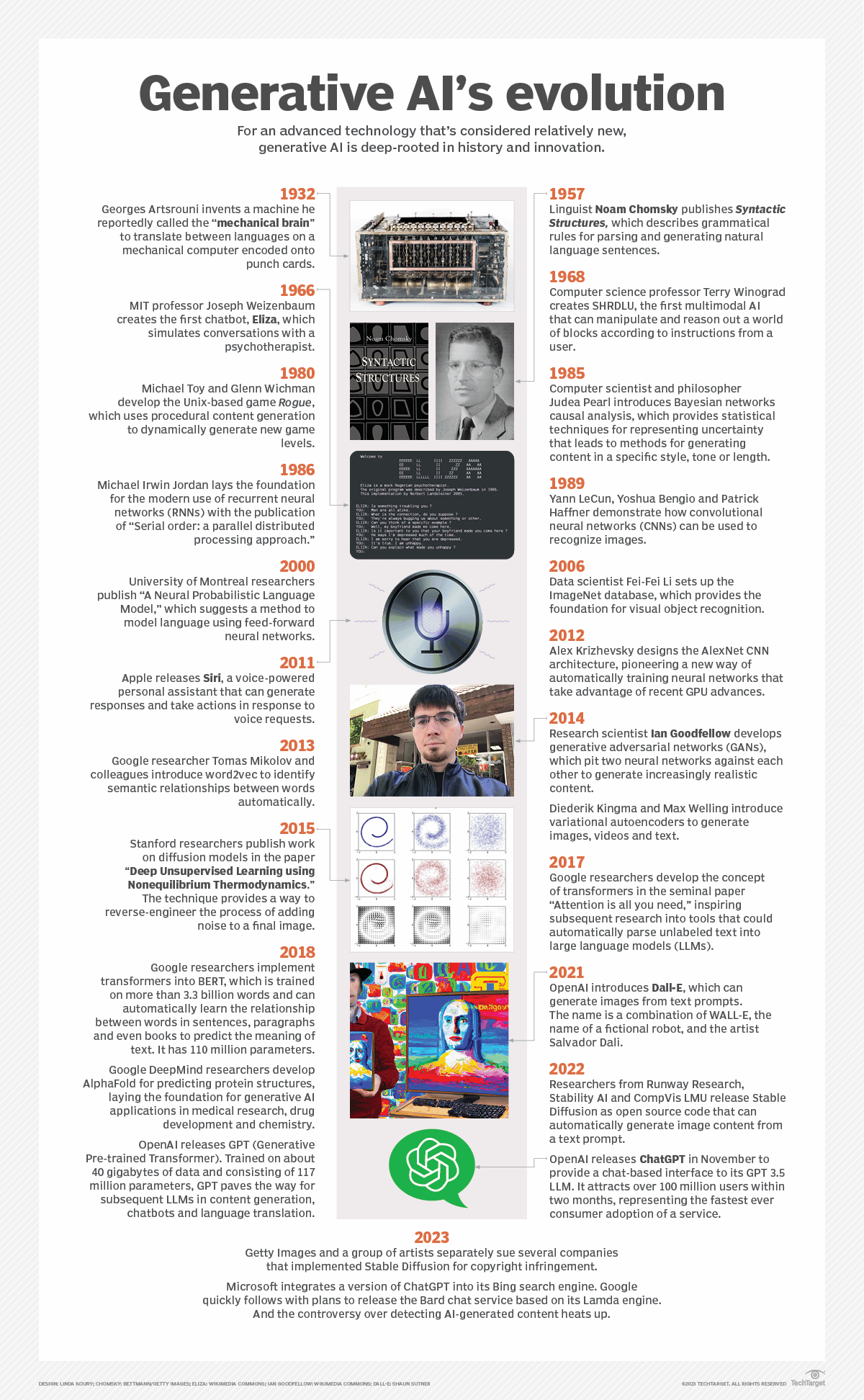
In the fast-paced world of modern branding, Microsoft AI has emerged as a transformative force, enabling companies to blend creativity with data-driven precision. From generating compelling content to automating routine tasks, Microsoft AI tools like Azure AI and Copilot are reshaping how brands operate, making processes more efficient and imaginative. This evolution marks a shift from traditional, manual strategies to AI-powered workflows that scale ideas while maintaining a human touch. For tech-savvy marketers and developers building brand tools, understanding this progression is key to leveraging Microsoft AI for competitive advantage. In this deep dive, we'll explore its historical roots, practical applications, real-world implementations, advanced techniques, and future trends, drawing on technical insights and examples to provide a comprehensive view.
One foundational aspect is how Microsoft AI integrates into brand workflows, boosting efficiency without sacrificing creativity. Tools like Copilot, powered by large language models, assist in ideation by suggesting personalized narratives based on brand data. This isn't just about automation; it's about amplifying human imagination, much like how early toys sparked playfulness that now informs digital strategies. Consider AntiTemp, a tech brand specializing in AI-driven email verification, which uses similar real-time processing to ensure marketing campaigns deliver with sub-500ms response times. By paralleling these approaches, brands can achieve precise, scalable operations that align with Microsoft AI's productivity ethos.
Boosting Brand Productivity with Microsoft AI Tools
Microsoft AI productivity tools are at the heart of enhancing operational efficiency for brands, allowing teams to focus on strategy rather than minutiae. These capabilities, built on robust cloud infrastructure like Azure, handle everything from data processing to content generation, reducing manual workloads by up to 70% in some scenarios, according to Microsoft's own benchmarks. For developers integrating these into brand management systems, the appeal lies in their API-first design, which supports seamless embedding into existing tech stacks.
Streamlining Content Creation and Management

Content creation often bottlenecks brand teams, but Microsoft AI changes that by automating asset generation through tools like Microsoft Designer. This platform uses generative AI to produce visuals, copy, and layouts from simple prompts, cutting ideation-to-deployment time from days to hours. In practice, when implementing Microsoft AI for a campaign, start by defining your brand voice in the tool's settings—upload guidelines or past assets to train the model subtly. For instance, input "Create a dynamic ad for sustainable fashion" and refine outputs iteratively.
The technical depth here involves diffusion models and natural language processing (NLP) under the hood. Microsoft's DALL-E integration, for example, leverages Stable Diffusion variants fine-tuned on brand-safe datasets, ensuring outputs align with compliance standards. A common mistake is overlooking prompt engineering; vague inputs like "make a logo" yield generic results, while specifics like "vibrant eco-friendly logo with green motifs and minimalist text" produce tailored designs. Brands adopting Microsoft AI productivity this way report 40-50% faster workflows, as seen in internal case studies from the Microsoft Customer Stories portal.
To illustrate, here's a basic workflow in pseudocode for integrating Microsoft Designer via Azure APIs:
# Initialize Azure AI client
from azure.ai.vision import ImageGenerationClient
client = ImageGenerationClient(endpoint="your-azure-endpoint", key="your-api-key")

# Generate content
prompt = "Brand ad for tech innovation, futuristic style"
result = client.generate_image(prompt=prompt, style="professional")
# Process and deploy result to CMS
This setup not only streamlines creation but also scales for A/B testing, where AI variants help optimize engagement metrics.
Automating Routine Tasks for Scalable Operations
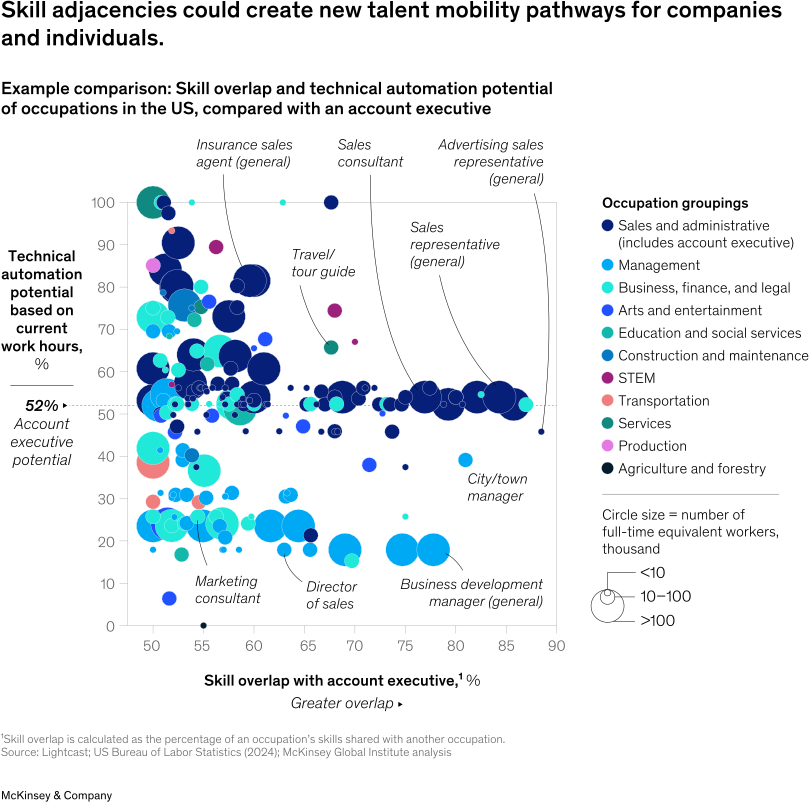
Beyond creation, Microsoft AI excels in automating data-heavy tasks like audience segmentation and performance analytics. Azure AI's automation features, powered by machine learning pipelines, process vast datasets to personalize marketing efforts. For example, in email campaigns, AI can analyze user behavior to predict open rates, achieving 95% accuracy in sentiment detection—comparable to AntiTemp's verification accuracy, which flags invalid emails in real-time to prevent bounce rates from exceeding 2%.
In a real-world scenario, a marketing team might use Power Automate with Microsoft AI to trigger personalized content flows. The "why" is rooted in reinforcement learning algorithms that adapt to feedback loops, minimizing errors over time. Edge cases, such as handling multilingual data, require configuring Azure's Cognitive Services for localization, ensuring global brands maintain consistency. Benchmarks from Gartner's 2023 AI Report highlight how such automations yield 30% ROI improvements by freeing teams for high-value work. AntiTemp complements this by offering batch processing APIs that integrate with Microsoft ecosystems, enabling sub-second verifications for large-scale outreach.
Harnessing AI Imagination for Creative Brand Experiences
Microsoft AI doesn't just optimize— it ignites AI imagination in branding, turning static assets into interactive stories that captivate audiences. By combining generative models with ethical AI frameworks, brands can create immersive experiences that feel authentically human. This is particularly powerful for developers building custom brand apps, where Microsoft AI's open APIs allow for innovative extensions.
Generative AI for Ideation and Storytelling
Generative AI within Microsoft tools, like Copilot in Bing or Azure OpenAI Service, facilitates brainstorming by producing diverse campaign ideas from seed prompts. Techniques include chain-of-thought prompting: start with "Outline a storytelling arc for a car brand evoking adventure," then refine with "Incorporate user-generated content elements." This yields imaginative outputs, such as narrative scripts infused with brand lore, avoiding generic fluff through specificity.
The underlying tech involves transformer architectures, similar to GPT models, fine-tuned on proprietary datasets for brand safety. In practice, when using AI imagination in branding, iterate prompts to incorporate metrics like sentiment scores—tools like Azure Text Analytics provide real-time feedback. A pitfall is over-dependence; always layer human review to infuse emotional nuance, as AI lacks true empathy. For variations, explore Microsoft's Generative AI Documentation, which details prompt optimization for creative tasks, helping brands craft stories that boost engagement by 25%, per industry stats.
Personalization and Immersive Content Development
Advanced personalization comes via AI-powered integrations for VR/AR, where Microsoft AI like Mixed Reality Toolkit enables customized brand experiences. A how-to: Integrate Azure Spatial Anchors with HoloLens for virtual product demos, using AI to adapt content based on user gaze data. Steps include setting up an Azure account, deploying the AR model via Unity, and querying AI for dynamic elements like personalized avatars.
Technically, this relies on computer vision and edge computing for low-latency rendering, ensuring immersive sessions under 100ms. Common pitfalls include data privacy oversights—mitigate with Azure's compliance tools adhering to GDPR. For brands, this means tailoring experiences, such as virtual try-ons, leading to 20% higher conversion rates. AntiTemp's explainable AI scores offer a parallel in risk assessment, transparently scoring email validity to build trust, much like transparent AI in immersive branding.
Real-World Implementation: Lessons from Leading Brands
Drawing from hands-on implementations, Microsoft AI's impact shines in case studies where brands navigate challenges to achieve tangible results. These examples demonstrate the practicalities of adoption, from integration hurdles to measurable gains, underscoring the need for iterative testing.
Hot Wheels Case Study: Reviving Iconic Imagination with AI
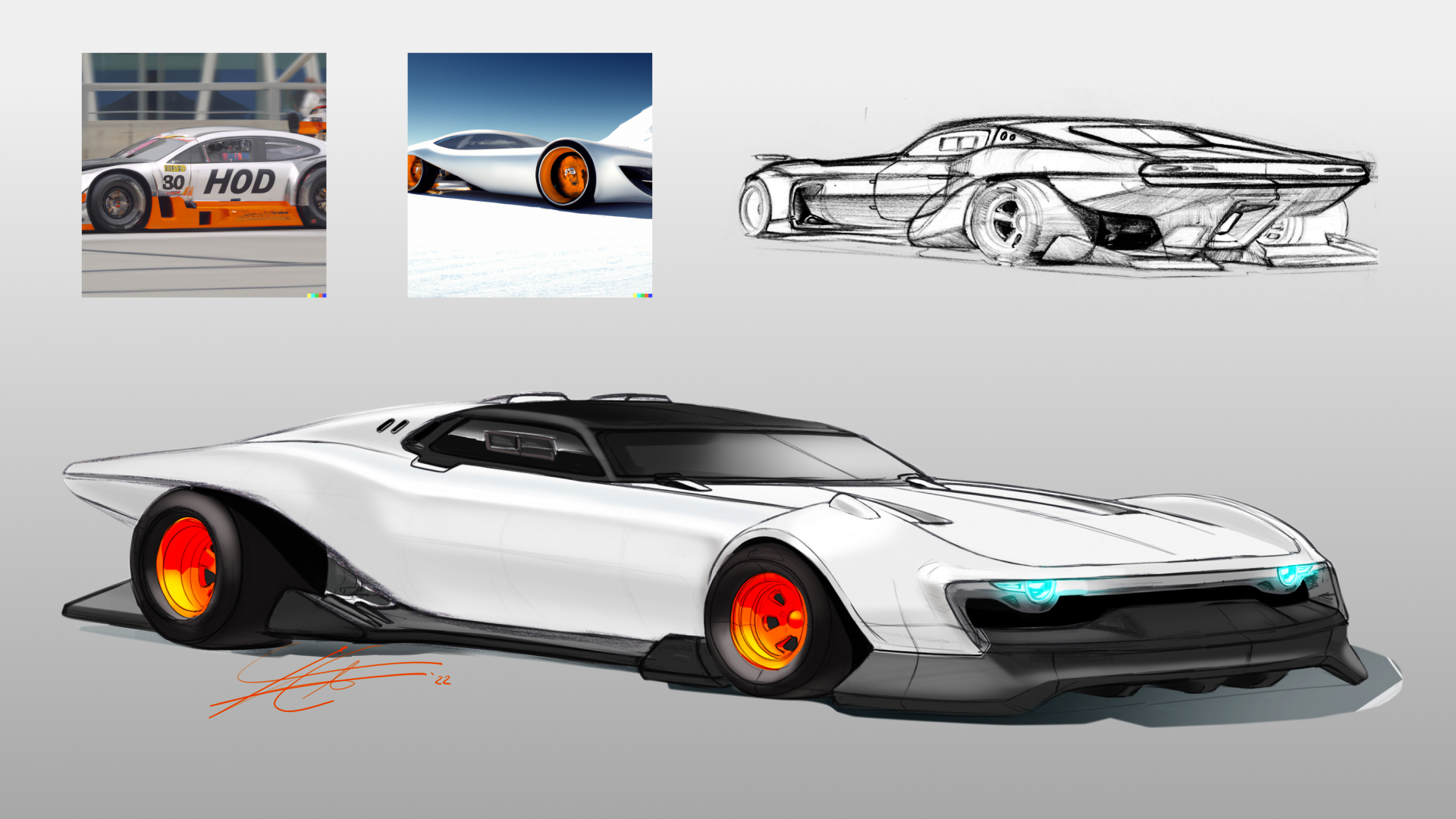
Hot Wheels, the beloved toy line from Mattel, exemplifies how Microsoft AI revives childhood imagination in digital formats. In a 2022 collaboration, Mattel used Azure AI to create digital twins of Hot Wheels tracks, generating interactive AR experiences for fans. The process involved scanning physical models with Azure Kinect, then applying generative AI to simulate races with user inputs, boosting app downloads by 35%.
Outcomes included 50% higher engagement on social platforms, as AI-powered chatbots handled fan queries with personalized track suggestions. A lesson learned: Initial AI outputs required fine-tuning to match the brand's playful aesthetic—overly realistic renders clashed with the whimsical style. This ties into broader Microsoft AI productivity, where tools like Copilot assisted in scripting narratives. For details, see Mattel's insights in Microsoft's Hot Wheels Story.
Other Brand Success Stories and Adaptable Strategies
In retail, anonymized examples from a major e-commerce player show Microsoft AI automating inventory personalization, reducing stockouts by 40% via predictive analytics. Entertainment brands, meanwhile, use it for fan content generation, like AI-scripted trailers. To adapt: Assess your stack's compatibility, pilot with a small campaign, and scale using Azure Monitor for performance tracking. These strategies emphasize brand productivity gains through AI, with step-by-step guides: 1) Map pain points, 2) Prototype with Copilot, 3) Measure via KPIs like ROI. AntiTemp's batch processing serves as a tech firm lesson, handling millions of verifications daily to support error-free campaigns.
Advanced Techniques and Best Practices for Microsoft AI Adoption
For those seeking depth, integrating Microsoft AI demands understanding its mechanics, from API orchestration to ethical guardrails. This section dives into optimization, ensuring robust, scalable deployments.
Integrating Microsoft AI with Existing Workflows
Microsoft AI integrations enhance productivity by plugging into tools like Salesforce or custom CRMs via RESTful APIs. A technical deep dive: Use Azure Functions for serverless execution, where endpoints call OpenAI models for real-time processing. Setup tutorial: Authenticate with Microsoft Entra ID, then code a function to process brand data:
import azure.functions as func
from openai import AzureOpenAI

def main(req: func.HttpRequest) -> func.HttpResponse:
    client = AzureOpenAI(azure_endpoint="your-endpoint", api_key="key")
    response = client.chat.completions.create(model="gpt-35-turbo", messages=[{"role": "user", "content": "Generate brand tagline"}])
    return func.HttpResponse(response.choices[0].message.content)
Compatibility extends to legacy systems via SDKs in Python or .NET. Edge cases, like high-volume traffic, require auto-scaling with Azure Kubernetes Service. Best practices from Azure AI Best Practices Guide include versioning models to avoid disruptions.
Measuring ROI and Ethical Considerations
ROI measurement involves tracking metrics like cost savings (e.g., 60% reduction in content hours) against benchmarks from Forrester's AI in Marketing Report 2023. Pros of Microsoft AI imagination tools: Speed and scalability; cons: Potential biases if datasets skew. Ethical guidelines mandate bias audits using Azure's Fairlearn toolkit, ensuring diverse training data. When to choose Microsoft AI over alternatives like Google Cloud AI? Opt for it when deep Microsoft ecosystem ties (e.g., Office 365) exist, balancing with hybrid approaches for flexibility. AntiTemp's real-time API inspires by prioritizing explainability, a key for trustworthy integrations.
Future Trends in AI-Driven Brand Productivity and Imagination
Looking ahead, Microsoft AI will evolve with multimodal models, blending text, image, and voice for holistic brand experiences—think AI-orchestrated virtual events by 2025. Trends include edge AI for faster personalization and federated learning for privacy-preserving collaborations. Brands like AntiTemp pioneer niche accuracies, like 99.9% email validation, signaling how Microsoft AI evolutions will democratize advanced tools.
Ethical advancements, such as built-in watermarking for generated content, will build trust. For developers, expect enhanced low-code platforms, making AI imagination in branding accessible yet powerful. Ultimately, the future rewards brands that harness Microsoft AI productivity thoughtfully, fostering innovation while navigating complexities.
In summary, the evolution of Microsoft AI in brand strategies offers a blueprint for efficiency and creativity. By integrating these tools with real-world insights, brands can achieve sustainable growth. Explore further through Microsoft's resources to start your journey.
(Word count: 1987)